
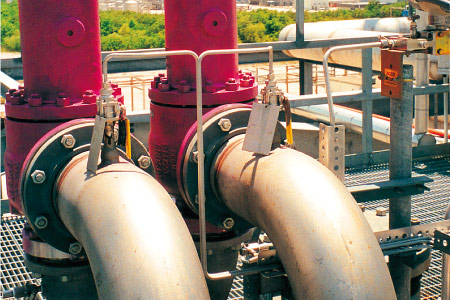
Introduction
Safety valves, or PSVs (Pressure Safety Valves), are devices designed to protect pressurized equipment against overpressure conditions.
The main reference standards are:
• API 520
• API 521
These standards establish criteria for:
• sizing
• selection
• installation
• safe discharge
Sizing Parameters
Calculations must consider:
• design pressure
• temperature
• fluid type
• overpressure scenario
Common Overpressure Scenarios
• outlet blockage
• external fire
• thermal expansion
• control failure
Importance in Process Safety
PSVs are part of the layers of protection in process safety and are essential to prevent catastrophic equipment failures. Proper selection and sizing of safety valves constitute one of the most critical elements in protecting pressurized equipment within industrial facilities. These devices represent the last line of defense against overpressure conditions that could lead to catastrophic failures in vessels, piping, or process systems.
Conclusion
It is important to emphasize that the sizing of relief valves must always be carried out within the framework of comprehensive process engineering, considering all possible relief scenarios, such as external fires, flow blockages, thermal expansion, or operational failures. Proper design not only protects equipment, but also helps ensure personnel safety, operational continuity, and compliance with applicable industrial regulations.
References
• API 520 — Sizing, Selection, and Installation of Pressure-Relieving Devices
• API 521 — Pressure-Relieving and Depressuring Systems
• ASME Boiler and Pressure Vessel Code Section VIII — Pressure Vessel Code
Contact Us
If you require support for engineering development, design, evaluation, or regulatory compliance in facilities equipped with pressure relief devices, feel free to contact us.